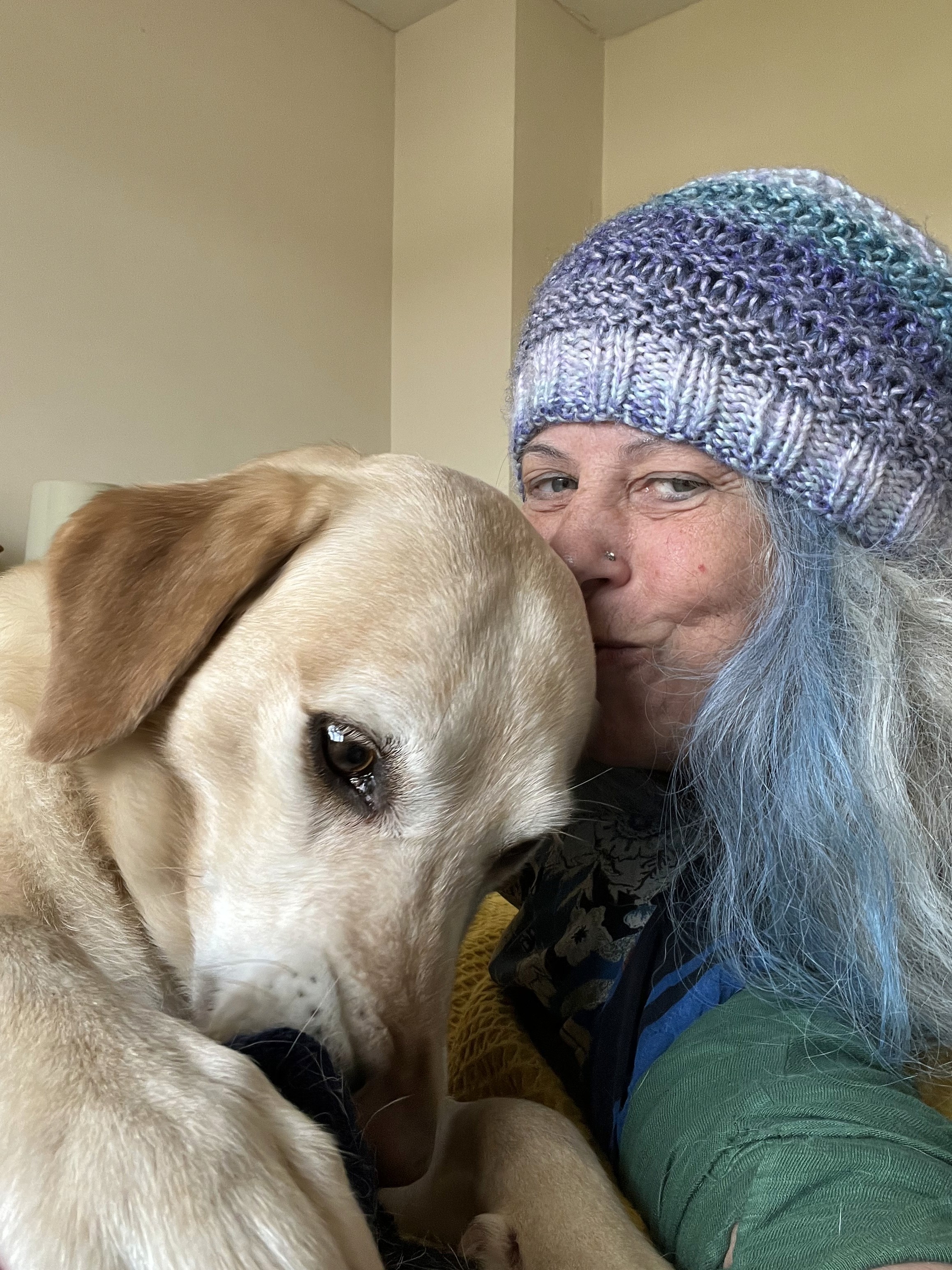

Whole-System
Healing
Shoshannah works holistically with mind, body, nervous system, and relationships - addressing root causes, not just symptoms.

Expertise in Complex
& Chronic Patterns
Specialises in anxiety, trauma, chronic health issues, nervous system sensitivity, and family/relationship dynamics - especially when standard methods haven’t worked.

Integrated,
Lasting Change
Combines therapy, mindscaping, genetics, and natural medicine to create lasting transformation, focusing on prevention, resilience, and deep understanding - not quick fixes.
Shoshannah works on-line nationally and internationally,
and in person in St Albans, Hertfordshire, UK

Shoshannah Phoenix's Timeline Health | How Family History Shapes The Nervous System
When we look at health only through the lens of a single lifetime, the picture can appear confusing. A person may feel anxious, overwhelmed, easily triggered or chronically exhausted without any obvious explanation in their current life circumstances. Yet when we widen the frame and begin to look across generations, a deeper story often begins to emerge. This is one of the foundations of what I describe as Timelining.
Timeline Health (or Timelining) is the recognition that our biology sits within a much longer narrative than our own personal experiences. Our nervous system does not develop in isolation. It develops within families, within environments, within cultural histories, and within biological systems that carry information across generations. Increasingly, research in epigenetics suggests that the experiences of previous generations can shape the way our genes are expressed, particularly those involved in stress regulation.
Epigenetics refers to the biological mechanisms that influence how genes are switched on or off without altering the DNA sequence itself. These mechanisms respond to environmental signals such as nutrition, stress, toxins, emotional environments and early life experiences. In certain circumstances, these epigenetic adjustments can be passed from one generation to the next, influencing how the nervous system of future generations responds to stress.
From a nervous system perspective, this makes a great deal of sense. Human biology evolved to adapt to the conditions surrounding it. If a generation lives through prolonged hardship, instability, war, famine, migration or chronic stress, the body may shift into a more vigilant survival mode. Hormones, neurotransmitters and stress signalling pathways may all adjust to prepare the body for threat. These adaptations can sometimes influence how the next generation’s nervous system is calibrated.
One of the biological systems most involved in this process is the stress response system governed by the hypothalamic–pituitary–adrenal axis, often called the HPA axis. This system regulates the release of cortisol, the hormone that helps the body respond to stress. Cortisol itself is not harmful. It is essential for survival, helping the body mobilise energy and respond to challenge. The difficulty arises when the stress response becomes chronically activated or poorly regulated.
A gene that plays an important role in this system is FKBP5, which influences how sensitive the body’s cortisol receptors are. Certain variations in this gene can make the stress response more reactive or slower to settle once activated. Research has also shown that early life stress can influence the epigenetic regulation of FKBP5, meaning the gene may behave differently depending on the experiences the body has been exposed to.
Alongside cortisol regulation, adrenaline signalling also plays a major role in shaping how the nervous system responds to the world. Genes that influence adrenergic receptors, including those involved in how the body responds to adrenaline and noradrenaline, can affect heart rate, blood pressure, alertness and the overall intensity of the fight or flight response. Variations in these receptors can contribute to why some individuals experience heightened vigilance or anxiety when faced with stress.
When we combine these biological sensitivities with family history, patterns often begin to make more sense. In many families there are repeating threads that run quietly through generations. A grandparent who lived through war or displacement. Parents who carried high levels of stress or emotional pressure. Children who grow up with nervous systems already primed to detect danger quickly. None of this is about blame. It is simply about understanding the biological context in which the nervous system develops.
This is why looking along the timeline of a family can be so revealing. When we explore the broader story of someone’s lineage alongside their own life experiences, we begin to see how patterns of stress regulation, emotional reactivity and resilience have developed over time. Sometimes the nervous system has simply been adapting to environments that required a high level of alertness for survival.
In my work, this perspective often becomes clearer when we combine psychological exploration with biological insight. Genetic reports such as Lifecode Gx allow us to look at variations in genes related to stress regulation, neurotransmitter balance, inflammation, detoxification and nutrient metabolism. When someone carries certain variants affecting cortisol regulation, adrenaline signalling or methylation pathways, it can help explain why their nervous system responds in the way that it does. These insights offer a map that helps us understand the terrain of the nervous system more clearly. Once we understand the terrain, we can begin to support it in practical ways.
This may involve nutritional support that strengthens the body’s resilience to stress, including key minerals and nutrients involved in neurotransmitter production and methylation pathways. It may involve supporting detoxification and mitochondrial function, both of which influence how much energy the nervous system has available to regulate itself. Functional testing such as organic acid testing or mineral analysis can sometimes reveal imbalances that quietly contribute to anxiety, fatigue or heightened stress responses.
Alongside these biological layers sits the work of nervous system regulation itself. Through therapeutic conversations, Mindscaping, trauma-informed psychotherapy and integrative approaches, we help the nervous system gradually move out of survival mode. When the body begins to experience genuine safety, the stress response becomes less reactive and more flexible.
What is particularly hopeful about this work is that epigenetics is not a one-directional process. Just as stress and trauma can shape gene expression, supportive environments, meaningful relationships, adequate nutrition and emotional healing can influence gene expression in healthier directions. Biology is dynamic. It responds to the conditions we create around it.
In this sense, Timeline Health is not only about understanding the past. It is also about shaping the future. When someone begins to regulate their nervous system, nourish their biology and process experiences that have been carried for years, the changes often ripple outward. They influence families, relationships and sometimes even the biological patterns that will be passed to the next generation.
Our nervous systems carry stories. Some of those stories began long before we were born. But the remarkable thing about human biology is that the story is still being written.
Journey with me…