
blue sky and white clouds over the sea

24 March 2026

Sleep, Melatonin, And Why Timing Matters More Than You Think

How to use melatonin correctly for sleep, why timing matters, and how to create long-term change in your sleep patterns.

Start Your Healing Journey
Start Your
Healing Journey
The benefits of working with Shoshannah
Whole-System
Healing

Shoshannah works holistically with mind, body, nervous system, and relationships - addressing root causes, not just symptoms.

Expertise in Complex
& Chronic Patterns

Specialises in anxiety, trauma, chronic health issues, nervous system sensitivity, and family/relationship dynamics - especially when standard methods haven’t worked.

Integrated,
Lasting Change

Combines therapy, mindscaping, genetics, and natural medicine to create lasting transformation, focusing on prevention, resilience, and deep understanding - not quick fixes.

Shoshannah works on-line nationally and internationally,
and in person in St Albans, Hertfordshire, UK

Sleep, Melatonin, And Why Timing Matters More Than You Think

Sleep is one of those areas where people often arrive feeling frustrated, exhausted, and slightly confused, because they have tried the obvious things and nothing seems to shift in a lasting way. Melatonin is usually part of that conversation, and while it can be helpful, the way it is commonly used tends to miss the point of what it is actually doing in the body.

Melatonin is not a sedative in the way people often assume. It is a signalling hormone. It works with your circadian rhythm, helping your system recognise when it is time to wind down and move towards sleep. When it is taken at the point of going to bed, which is what many people are advised to do, it can sometimes create a short-term effect, but it does not necessarily reset the rhythm that sits underneath the sleep difficulty.

What is often more effective is taking melatonin earlier in the evening, a few hours before sleep, allowing it to gently shift the timing of your internal clock. This is particularly relevant for people whose sleep has drifted later, who feel wired at night, or who find themselves unable to fall asleep despite being tired. Used in this way, melatonin becomes a tool for recalibrating rhythm rather than forcing sleep.

At the same time, this is not something I see as a long-term solution. It is a way of nudging the system, creating a window of opportunity where the body can begin to remember what a more natural sleep pattern feels like. It tends to work best when used for a short period, allowing the body to recalibrate rather than becoming something the system leans on. The deeper work is always about understanding why that rhythm has shifted in the first place.

In practice, sleep disruption is rarely just about sleep. It often reflects what is happening across the nervous system, the hormonal system, and the wider terrain of the body. Cortisol patterns, blood sugar regulation, nutrient status, neurotransmitter balance, and the level of activation in the nervous system all play a role. This is where a timeline and terrain approach becomes essential, because the same sleep issue can arise from very different underlying patterns.

For some people, there is a long-standing state of hypervigilance, where the body has learned to stay alert even when it is safe to rest. For others, there may be biochemical factors, such as low serotonin impacting melatonin production, or disruptions in methylation affecting how neurotransmitters are processed. In other cases, it is linked to lifestyle rhythms, light exposure, or patterns that have gradually shifted over time without being noticed.

This is why grassroots healing matters here. Rather than trying to override the symptom of poor sleep, the work becomes about supporting the system in a way that allows sleep to emerge more naturally. That might include targeted nutritional support, working with the nervous system, adjusting rhythms around light and food, and understanding the individual patterns that are keeping the body in a state of wakefulness.

Melatonin can be part of that process, used carefully and intentionally, but it sits within a much wider picture. When it is used for a short period, at the right time, it can help guide the system back towards a more regulated rhythm. The aim is not dependence, but reconnection.

If you are struggling with sleep, and especially if it has been ongoing, it is worth looking beyond quick fixes and asking what your system is trying to communicate. Sleep is not separate from the rest of your physiology or your experience. It reflects it.

This is the kind of work I do with people, bringing together the biological, the emotional, and the relational aspects of health, so that change is not just temporary, but sustainable. When sleep begins to shift in that way, it tends to do so more quietly, but also more reliably.

Explore More Elements
Start Your
Healing Journey

Shoshannah works on-line nationally and internationally,
and in person in St Albans, Hertfordshire, UK

About Shoshannah

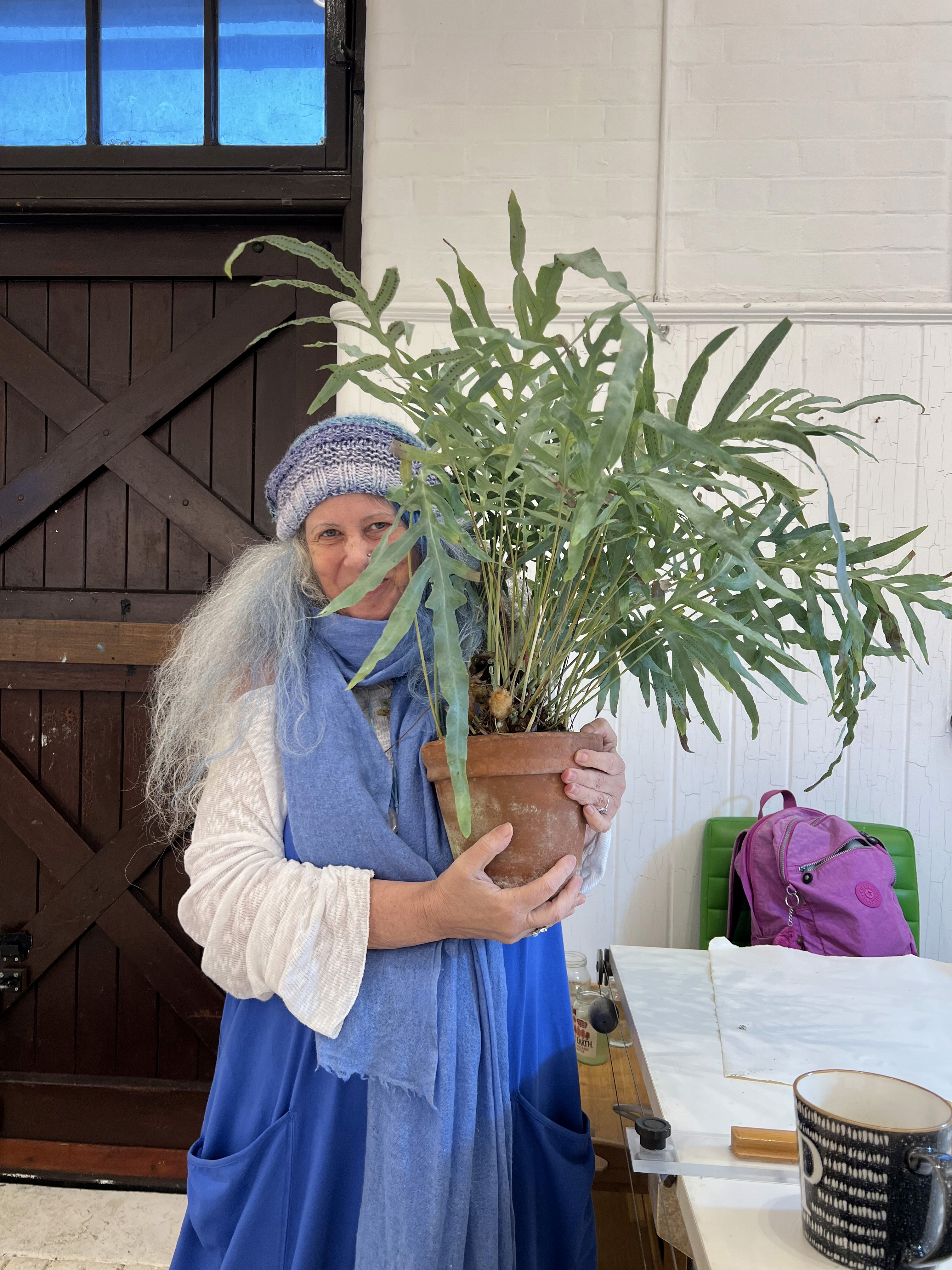
Hi, my name is Shoshannah Phoenix. I work with individuals, couples, and families, especially where things feel complicated, tangled, or hard to make sense of.

My work uniquely blends talking therapy, my own mindscaping, functional medicine, cutting edge genetic testing, and natural holistic solutions to whatever ails you. I help people understand how their nervous system, body, thoughts, emotions, and relationships are connected - and how these patterns shape health, behaviour, and connection over time.

Many of the people I work with have complex or long-standing challenges. They may be living with anxiety, emotional overwhelm, OCD, trauma, chronic stress, complex health issues, neurodivergence, relationship difficulties, or patterns that seem to repeat across generations. Rather than looking at one piece in isolation, I work with the whole picture.

This is gentle, collaborative work. We move at a pace that feels safe and manageable, working with your system rather than pushing it. Whether we are working one-to-one or with couples and families, my role is to help you understand yourself more clearly, feel more regulated and supported, and find a way forward that truly fits you.

I am right here… how can I help you?

Shoshannah Phoenix
Shoshannah Phoenix
About Shoshannah

Hi, my name is Shoshannah Phoenix. I work with individuals, couples, and families, especially where things feel complicated, tangled, or hard to make sense of.

My work uniquely blends talking therapy, my own mindscaping, functional medicine, cutting edge genetic testing, and natural holistic solutions to whatever ails you. I help people understand how their nervous system, body, thoughts, emotions, and relationships are connected - and how these patterns shape health, behaviour, and connection over time.

Many of the people I work with have complex or long-standing challenges. They may be living with anxiety, emotional overwhelm, OCD, trauma, chronic stress, complex health issues, neurodivergence, relationship difficulties, or patterns that seem to repeat across generations. Rather than looking at one piece in isolation, I work with the whole picture.

This is gentle, collaborative work. We move at a pace that feels safe and manageable, working with your system rather than pushing it. Whether we are working one-to-one or with couples and families, my role is to help you understand yourself more clearly, feel more regulated and supported, and find a way forward that truly fits you.

I am right here… how can I help you?

Shoshannah works on-line nationally and internationally,
and in person in St Albans, Hertfordshire, UK

About Shoshannah

Hi, my name is Shoshannah Phoenix. I work with individuals, couples, and families, especially where things feel complicated, tangled, or hard to make sense of.

My work uniquely blends talking therapy, my own mindscaping, functional medicine, cutting edge genetic testing, and natural holistic solutions to whatever ails you. I help people understand how their nervous system, body, thoughts, emotions, and relationships are connected - and how these patterns shape health, behaviour, and connection over time.

Many of the people I work with have complex or long-standing challenges. They may be living with anxiety, emotional overwhelm, OCD, trauma, chronic stress, complex health issues, neurodivergence, relationship difficulties, or patterns that seem to repeat across generations. Rather than looking at one piece in isolation, I work with the whole picture.

This is gentle, collaborative work. We move at a pace that feels safe and manageable, working with your system rather than pushing it. Whether we are working one-to-one or with couples and families, my role is to help you understand yourself more clearly, feel more regulated and supported, and find a way forward that truly fits you.

I am right here… how can I help you?

Shoshannah Phoenix

Shoshannah works on-line nationally and internationally,
and in person in St Albans, Hertfordshire, UK