
Whole-System
Healing
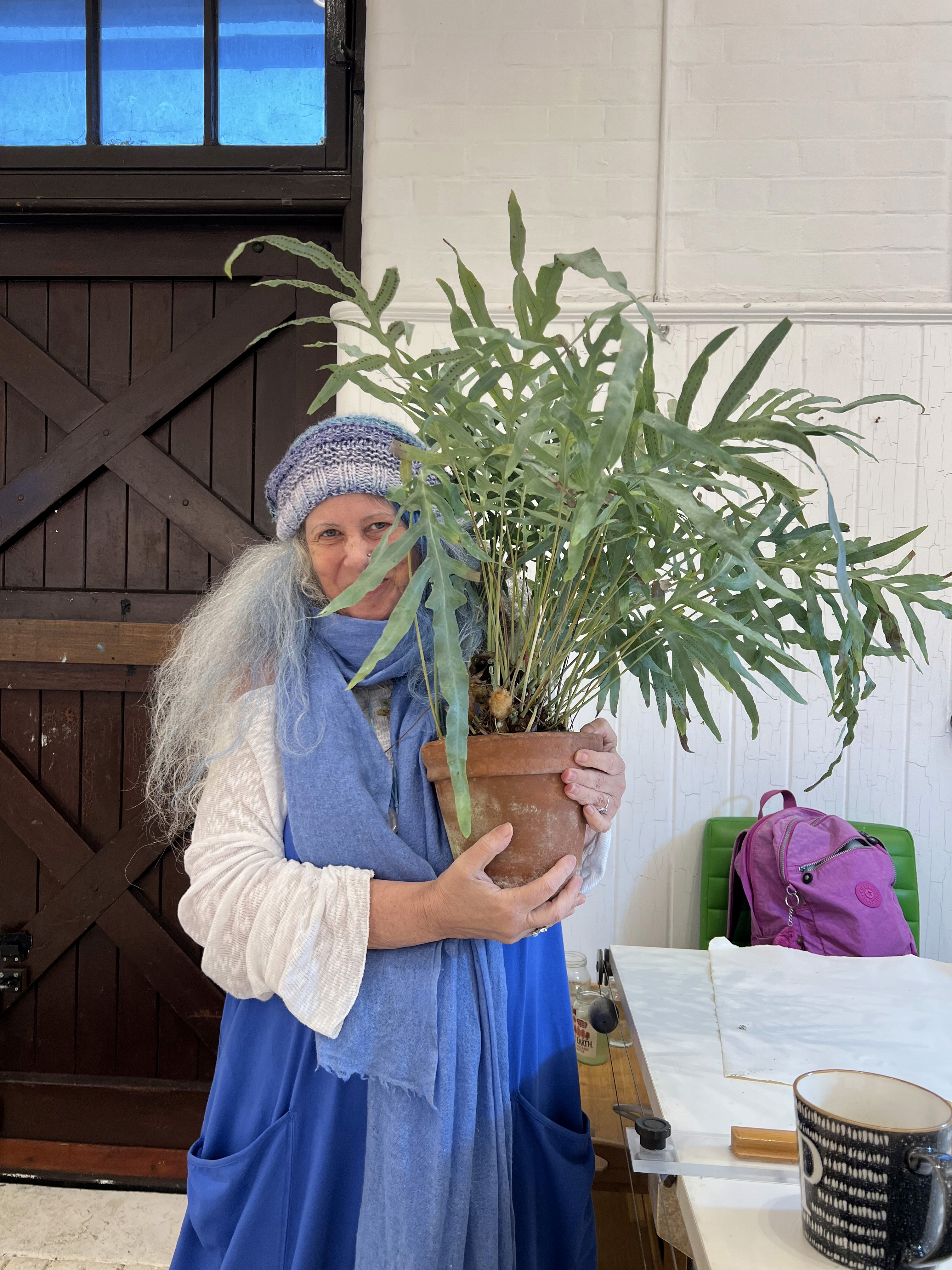
Shoshannah works holistically with mind, body, nervous system, and relationships - addressing root causes, not just symptoms.

Expertise in Complex
& Chronic Patterns
Specialises in anxiety, trauma, chronic health issues, nervous system sensitivity, and family/relationship dynamics - especially when standard methods haven’t worked.

Integrated,
Lasting Change
Combines therapy, mindscaping, genetics, and natural medicine to create lasting transformation, focusing on prevention, resilience, and deep understanding - not quick fixes.
Shoshannah works on-line nationally and internationally,
and in person in St Albans, Hertfordshire, UK

Philip Seymour Hoffman, Addiction Relapse and Dopamine Receptor Recovery
There are certain actors who do not simply perform, they imprint themselves on you. They settle into your nervous system and remain there. Philip Seymour Hoffman was one of those rare presences. He did not decorate a role. He inhabited it. When he played Truman Capote in Capote, it did not feel like imitation. It felt like watching a psyche unfold in real time. In The Master he was expansive and unnerving, authoritative yet wounded, holding power and fracture in the same body. In Doubt he carried moral tension so quietly that you found yourself questioning your own certainties. He was never theatrical for effect. He was truthful. That depth is what made him unforgettable.
When he died in February 2014 at the age of forty six, the headlines narrowed the story to heroin and relapse. What rarely receives attention is the neurobiology beneath relapse, particularly after long sobriety. He had reportedly been sober for more than two decades before returning to substance use. That detail matters when we are speaking about dopamine receptors, tolerance and overdose risk.
Addiction reshapes the brain over time. Repeated exposure to opioids or other substances repeatedly floods the reward circuitry with dopamine. The brain adapts. Dopamine receptors, particularly D2 receptors, reduce in density and sensitivity in an effort to maintain equilibrium. Increasing amounts of the substance are then required to achieve the same subjective effect. Natural rewards begin to feel muted. Motivation narrows. The substance becomes central because it produces the most reliable dopaminergic response.
When someone sustains sobriety, the nervous system begins recalibrating. Dopamine tone adjusts. Receptor sensitivity can recover to a degree. Tolerance falls. The body is no longer conditioned to metabolise or neurologically withstand the quantities once used. If relapse occurs and the person returns to what once felt like a familiar dose, the risk is significant. The respiratory system may be suppressed more quickly. The stress axis may destabilise. The same amount that once produced a high can overwhelm a system that has shifted during abstinence.
Relapse after sobriety carries a high overdose risk because the brain that returns to the substance is not the same brain that once relied on it daily. This is not a moral narrative. It is receptor recalibration, altered tolerance and stress circuitry vulnerability.
Addiction sits at the intersection of reward, stress and adaptation. Dopamine is not merely about pleasure. It governs anticipation, drive and movement towards what feels meaningful. When dopamine signalling is repeatedly hijacked, the relationship with effort, connection and satisfaction changes. The substance becomes encoded as essential. Removing it creates biochemical depletion alongside psychological destabilisation.
This is where my work is rooted. I approach addiction as terrain rather than event. I look at genetic predispositions such as variants in DRD2, COMT and MAO that influence dopamine dynamics. I consider methylation capacity and how efficiently neurotransmitters are synthesised and cleared. I assess oxidative stress because chronic substance exposure increases neuroinflammation and depletes glutathione. I examine mineral status, particularly zinc and magnesium, because receptor sensitivity depends on membrane integrity. I stabilise blood glucose because hypoglycaemia drives craving. I support gut integrity because inflammatory signalling and neurotransmitter precursors move continuously along that axis.
Recovery becomes more sustainable when biological stability and psychological repair are rebuilt together. Some individuals need gentle dopaminergic support to rebuild tone without overstimulation. Others require stress regulation first because cortisol volatility destabilises recovery. Trauma work is often central because the substance has been modulating unbearable affect. As dopamine steadies and inflammation reduces, the capacity to experience connection, creativity and purpose without artificial amplification gradually returns.
Relapse prevention, in my perspective, is about widening the margin between trigger and action. When sleep deepens, inflammation lowers and genetic susceptibilities are understood rather than internalised as shame, resilience increases. The nervous system becomes less reactive. The individual gains space to pause.
Philip Seymour Hoffman’s life reminds us that brilliance and vulnerability can coexist in the same organism. Addiction does not discriminate by talent or intelligence. It interacts with receptors, stress hormones and learned survival pathways. The people who struggle are complex nervous systems that have adapted under pressure.
My role is to work steadily and deeply enough that those adaptations can shift again. To support receptor recovery where possible. To regulate the stress response. To personalise care through genetics informed insight. To restore reward, resilience and meaning so that recovery becomes more than abstinence. It becomes integration.
If you are struggling with addiction, you might want to consider journeying with me into your dopamine receptors, your history, and so much more. I am right here.