
Whole-System
Healing
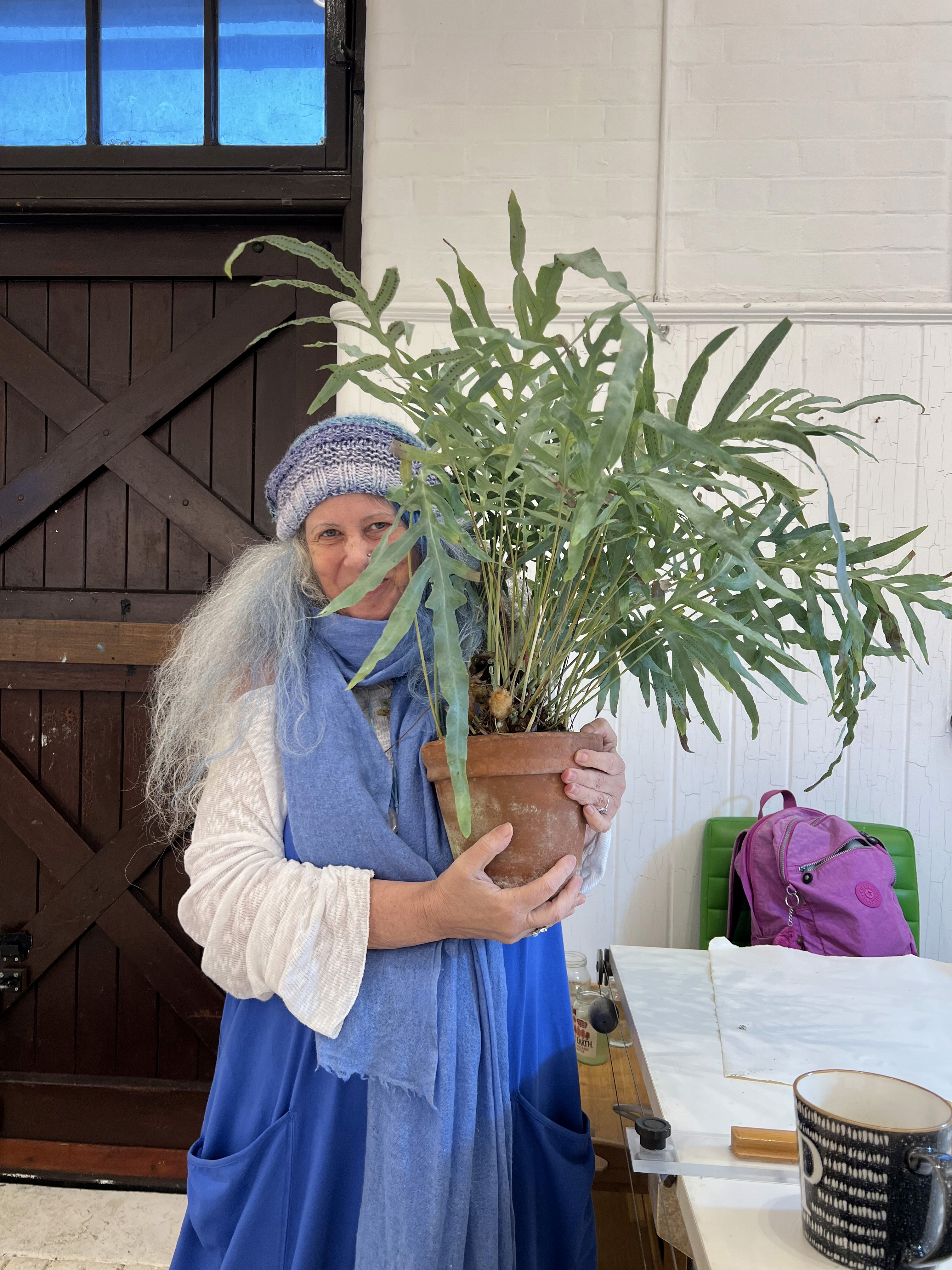
Shoshannah works holistically with mind, body, nervous system, and relationships - addressing root causes, not just symptoms.

Expertise in Complex
& Chronic Patterns
Specialises in anxiety, trauma, chronic health issues, nervous system sensitivity, and family/relationship dynamics - especially when standard methods haven’t worked.

Integrated,
Lasting Change
Combines therapy, mindscaping, genetics, and natural medicine to create lasting transformation, focusing on prevention, resilience, and deep understanding - not quick fixes.
Shoshannah works on-line nationally and internationally,
and in person in St Albans, Hertfordshire, UK

Little Women Meaning: How the Story Shapes Female Identity, Behaviour, and Independence
There are certain stories that do far more than entertain. They move quietly through culture, shaping how people see themselves, what they believe is possible, and how they begin to imagine their lives unfolding. Little Women, written by Louisa May Alcott in 1868, carries that kind of influence. It offers more than a portrait of family life; it opens a window into the inner world of women, placing their thoughts, ambitions, frustrations, and creativity at the centre of the narrative in a way that continues to resonate.
The more recent film adaptation brings that emotional and creative depth into the present day without losing its essence. What stands out is not simply the period setting or the relationships between the sisters, but the presence of individuality within each of them. Jo’s drive to write and shape her own path, Amy’s artistic development, Meg’s navigation of expectation and domestic life, and Beth’s quieter emotional presence all reflect different expressions of what it means to grow, to choose, and to find a place in the world. There is a sense of movement within each character, an unfolding, which allows the story to feel alive rather than fixed in time.
When reflecting on the meaning of Little Women, it becomes clear that its influence sits within the internal experience of the reader as much as within the story itself. It is about identity, about the roles we are shown and the ones we step into, and about the quiet tension between expectation and self-direction. For many women, across different generations, this tension has been a lived reality. Stories like this do not resolve it; they illuminate it, and in doing so, they begin to shift it.
Books have always played a powerful role in shaping internal landscapes. They enter private spaces, are absorbed slowly, and often stay long after they have been read. A young woman encountering a character who thinks differently, wants something more, or questions the path in front of her is not simply reading a story; she is being introduced to a new way of seeing herself. That moment may be subtle, yet it carries weight. Over time, these moments accumulate, influencing choices, perspectives, and the sense of what is possible.
The arts hold this capacity to influence without force. A story does not need to declare itself as transformative in order to create change. It simply needs to feel real, emotionally accurate, and recognisable enough for someone to connect with it. Little Women achieves this through its attention to emotional detail, its focus on relationships, and its willingness to explore the full range of human experience within a female context. That is why it continues to resonate, because the internal experience of striving, creating, belonging, and evolving does not belong to one era.
There is also something deeply significant about the act of women writing these stories in the first place. Louisa May Alcott contributed to a broader cultural shift that expanded the visibility of women’s inner lives. Each story written, each voice expressed, adds to a collective body of work that gradually reshapes perception. This is how change often happens, through accumulation, through repetition, through the steady presence of ideas that begin to take hold.
From my own perspective, this connects in a very direct way. I was brought up at a time when the direction offered to many women was to move into roles that centred around supporting men rather than developing an independent path. The expectation was to become a secretary, to step into something already defined, to stay within a structure that did not ask for much beyond reliability and compliance. But I soon branched out, and chose a road less travelled.
At twenty-two, I began training in counselling, and that decision opened a path that I have continued to develop over decades. What followed was not a single direction, but an integration of multiple ways of understanding people. My work now brings together therapy, homeopathy, functional medicine, genetics, and a deep focus on the nervous system, alongside the patterns that shape behaviour and emotional responses over time.
Within that work, I see clearly how identity is formed. The roles people step into are not random. They are shaped by early experience, by family dynamics, by expectation, and by the environment in which someone grows. These patterns are not only psychological; they are also biological. The nervous system adapts, creating responses that influence how someone thinks, feels, and behaves. When I look at genetics, methylation pathways, detoxification processes, hormone balance, and the way these systems interact, I see how lived experience becomes embedded within the body.
Working with women often involves recognising these layers and understanding how they have been held in place. Patterns around pleasing, holding everything together, staying strong, or prioritising others can become deeply ingrained. Bringing awareness to these patterns creates the possibility for change. It allows for a different relationship with self, one that includes greater clarity, choice, and independence.
This is where the connection back to Little Women becomes meaningful. The story reflects different expressions of identity, different ways of navigating expectation, and different responses to the structures surrounding each character. It does not provide a single answer, and that is part of its value. It offers a range of experiences that can be recognised, questioned, and felt.
Over time, stories like this contribute to a wider cultural shift. They influence how women see themselves, how they relate to their choices, and how they begin to shape their lives. One story leads to another, one voice connects with another, and gradually, a different narrative becomes more visible.
This is why books matter. This is why stories endure. And this is why the contribution of women in the arts continues to hold such quiet and lasting power, shaping identity, behaviour, and independence in ways that extend far beyond the page.
Go write your story!