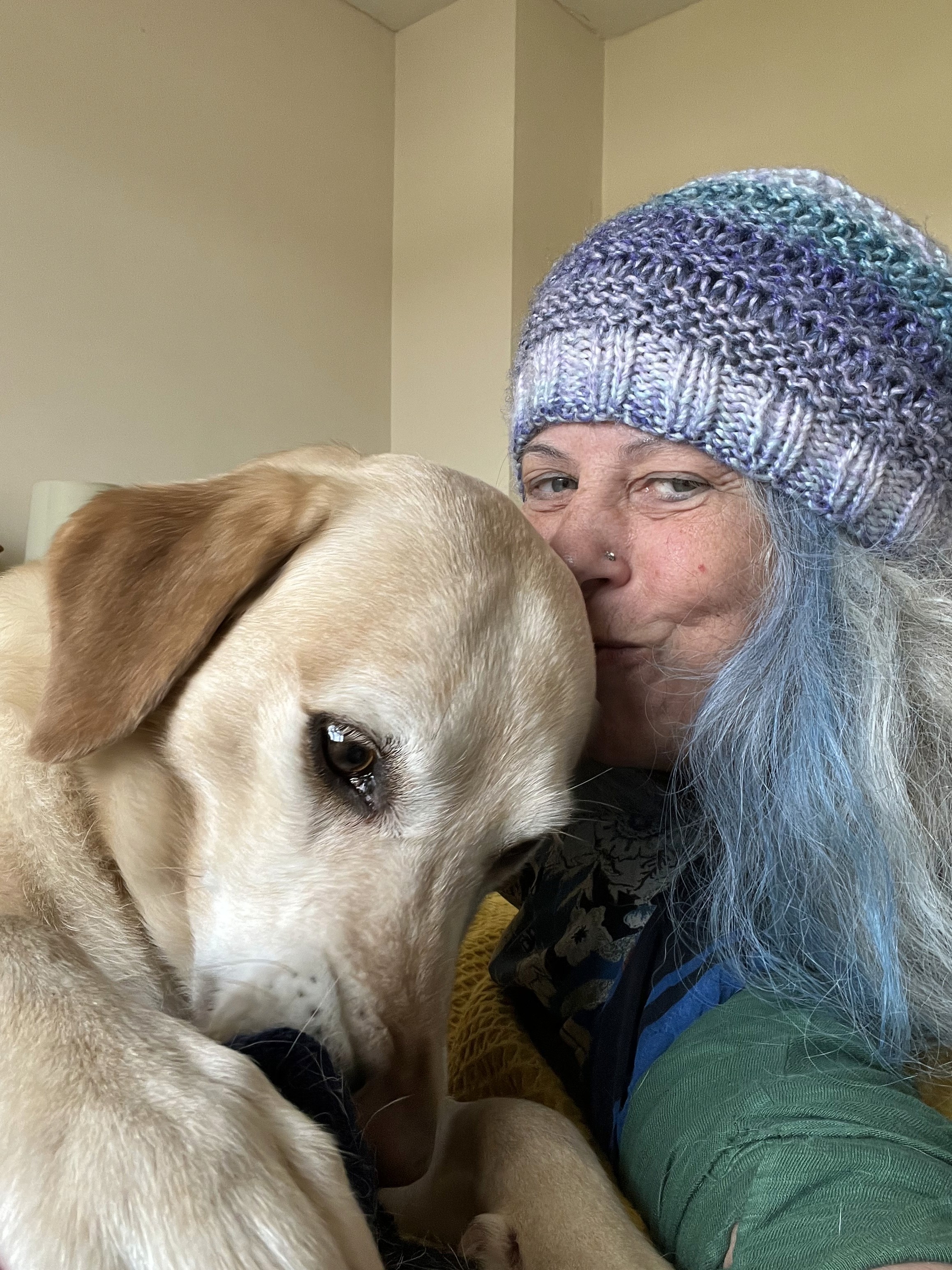

Whole-System
Healing
Shoshannah works holistically with mind, body, nervous system, and relationships - addressing root causes, not just symptoms.

Expertise in Complex
& Chronic Patterns
Specialises in anxiety, trauma, chronic health issues, nervous system sensitivity, and family/relationship dynamics - especially when standard methods haven’t worked.

Integrated,
Lasting Change
Combines therapy, mindscaping, genetics, and natural medicine to create lasting transformation, focusing on prevention, resilience, and deep understanding - not quick fixes.
Shoshannah works on-line nationally and internationally,
and in person in St Albans, Hertfordshire, UK

Cannabis, Dopamine and Psychosis: Genetics, the Endocannabinoid System and Nervous System Vulnerability
Cannabis is often described as a harmless or even therapeutic substance. For some individuals it may indeed feel calming, creative or socially relaxing. Yet for others it can destabilise the nervous system in profound ways. Over the past decade clinicians have increasingly observed links between long-term cannabis use and anxiety, cognitive changes, motivational collapse and in some cases psychosis. Understanding why this happens requires looking more deeply at the interaction between cannabis, genetics, dopamine signalling and the endocannabinoid system.
The human brain contains a complex signalling network known as the endocannabinoid system. This system regulates mood, memory, stress response, appetite and neural communication. It is composed primarily of cannabinoid receptors, endocannabinoid signalling molecules produced within the body, and the enzymes that regulate them. The two best known receptors are CB1 and CB2. CB1 receptors are particularly dense in the brain, especially in regions involved in memory, emotion and reward processing.
Under normal circumstances the body produces its own cannabinoids, such as anandamide and 2-AG. These molecules act as subtle regulators of neural communication, helping to fine tune the balance between excitatory and inhibitory signalling across the brain. Rather than forcing the nervous system in one direction, the endocannabinoid system acts more like a dimmer switch, adjusting neural activity to maintain balance.
When cannabis is introduced into the system, the psychoactive compound THC binds strongly to CB1 receptors. Unlike the body’s own endocannabinoids, THC is far more persistent and disruptive in its signalling. This can alter communication between neurons in regions that regulate emotion, perception and reward.
One of the most important downstream effects of THC is its interaction with dopamine pathways. Dopamine is a neurotransmitter deeply involved in motivation, reward and the assignment of meaning to experience. When cannabis stimulates CB1 receptors in reward circuits, it indirectly increases dopamine release within the mesolimbic system. For some individuals this produces feelings of pleasure or relaxation. For others, particularly those with certain genetic vulnerabilities, the dopamine response can become destabilising.
Variations in dopamine receptor genes such as DRD2, DRD3 and DRD4 can influence how sensitive the brain is to dopamine signalling. Individuals with particular variants may experience stronger reward responses or altered dopamine regulation. When cannabis repeatedly stimulates these circuits, the brain may begin to adapt by down-regulating dopamine receptors or altering reward sensitivity. Over time this can lead to motivational changes, emotional flattening or dependency on the substance to stimulate the reward system.
Dopamine metabolism is also shaped by the COMT gene, which regulates dopamine breakdown in the prefrontal cortex. The prefrontal cortex is responsible for planning, decision making and emotional regulation. Variations in COMT activity influence how efficiently this region processes dopamine signals under stress. Research has suggested that individuals with slower COMT activity may be more vulnerable to the psychotic effects of cannabis because dopamine signalling within the prefrontal cortex becomes harder to regulate.
Another layer involves the dopamine transporter gene SLC6A3, which influences how quickly dopamine is cleared from synapses. Alterations within this pathway can further shape dopamine signalling dynamics, particularly in individuals with long-term exposure to substances that stimulate reward pathways.
The endocannabinoid system itself is also genetically influenced. Variations in genes such as FAAH, which regulates the breakdown of anandamide, can influence baseline cannabinoid tone within the brain. When this system is already altered genetically, external cannabinoids such as THC may produce stronger or more unpredictable neurological responses.
Methylation pathways can further influence how the nervous system responds to substances. Genes such as MTHFR regulate folate metabolism and the production of methyl groups required for neurotransmitter synthesis and detoxification. When methylation capacity is reduced, neurotransmitter balance can become more fragile and oxidative stress may increase. In this context repeated cannabis exposure may place additional strain on neural regulation.
Oxidative stress is another factor that is gaining increasing attention in addiction and psychiatric vulnerability. The brain relies on antioxidant systems, including superoxide dismutase enzymes and mineral cofactors such as manganese and zinc, to neutralise reactive oxygen species. When these systems are under strain, neuronal resilience may decrease and neurotransmitter systems become more vulnerable to disruption.
When we bring these systems together, a clearer picture begins to emerge. Cannabis does not affect everyone in the same way because each nervous system is shaped by its own genetic terrain. Dopamine receptor sensitivity, methylation capacity, antioxidant defences and endocannabinoid signalling all interact to determine how the brain responds.
In clinical practice it is increasingly common to see individuals who have used cannabis for many years and gradually begin to notice anxiety, cognitive fog, emotional instability or loss of motivation. In some cases psychotic symptoms may emerge, particularly when genetic vulnerabilities intersect with long-term exposure to high potency THC.
The encouraging reality is that the nervous system often has a remarkable capacity for recovery. When cannabis use is reduced or stopped and the biological terrain is supported through nutrition, mineral balance, methylation support and antioxidant pathways, dopamine regulation can begin to stabilise again. Many individuals experience improvements in mental clarity, emotional stability and motivation once the nervous system is given the resources it needs to recalibrate.
Understanding cannabis through this biological lens allows us to move beyond simplistic narratives of good or bad substances. Instead we begin to appreciate the delicate balance of the nervous system and the many factors that shape resilience or vulnerability over time. Genetics, nutrition, inflammation, oxidative stress and environmental exposure all interact within the complex ecology of the brain.
The more we understand this terrain, the better we are able to support individuals in restoring balance within the nervous system and reclaiming their mental clarity.
Just so you know… I am very passionate about this work!